Guide
Water damage guide: what to do, in order
A plain-English walk-through for a North Texas home, from the moment you find water to the day the ceiling goes back up.
The first 10 minutes
Make it safe and stop the water
- 1
Stay safe
Keep out of water near outlets, cords or the electrical panel. If a ceiling is bulging or sagging, keep everyone out of the room below. Call 911 if anyone is hurt or you smell gas.
- 2
Stop the source
Close the valve at the fixture, or the main shutoff, which in most Frisco homes is in a box near the street or beside the meter. Find it on a dry day, before you ever need it.
- 3
Cut the power to wet rooms
Only if you can reach the breaker panel without standing in water.
- 4
Protect belongings
Move electronics, papers, rugs and furniture out of the water; put foil or blocks under legs. Put a bin under a ceiling drip.
The first 24 to 48 hours
Before mold has a chance
- Photograph and video everything wet before anything is moved or thrown out, including the source (the split pipe, the rusted tank, the hail on the lawn).
- Call your insurer to open a claim and ask what they need. Write down the claim number and the adjuster's name.
- Get the water out and drying started. Policies generally expect you to prevent further damage; waiting for an adjuster usually isn't required.
- Keep damaged items or photos of them until the adjuster says you can discard them.
- Keep every receipt: hotel, meals, fans you bought, the plumber's invoice, the roofer's tarp.
The North Texas pattern: freeze, hail, clay
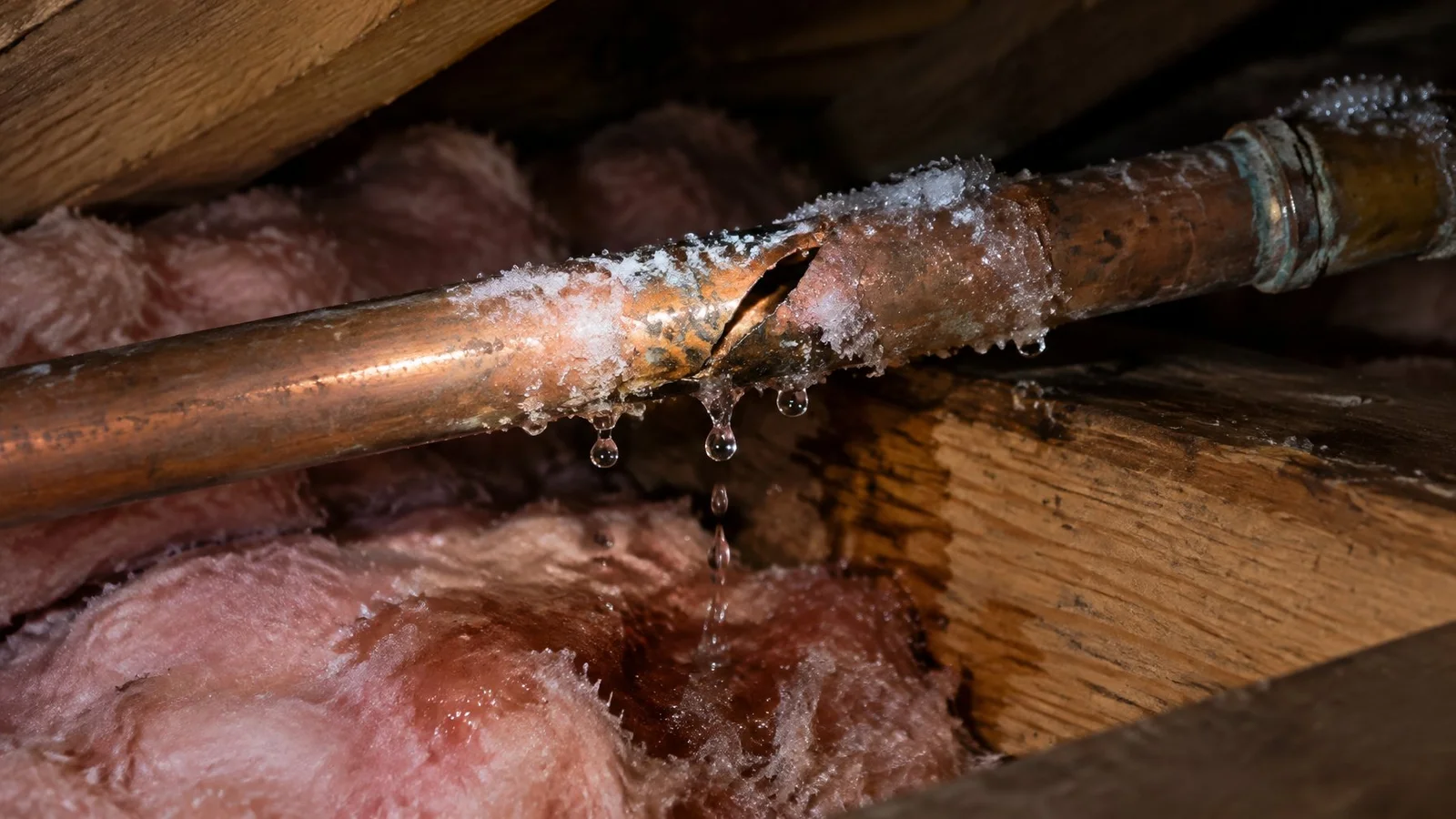
Three things set water damage here apart from most of the country. Winter cold snaps freeze supply lines that run through unconditioned attics, and the damage shows up at the thaw. Spring thunderstorms carry hail that bruises composition shingle roofs, and the leaks appear at the next rain. And the expansive clay the whole area sits on moves slab foundations enough to crack the plumbing under them.
The practical lesson is the same for all three: look up and look down. Check the attic after a freeze or a storm, not only the rooms you live in, and treat a warm patch of floor, a sticking door or a rising water bill as a reason to call a plumber rather than a curiosity.
Clean, gray or black water?
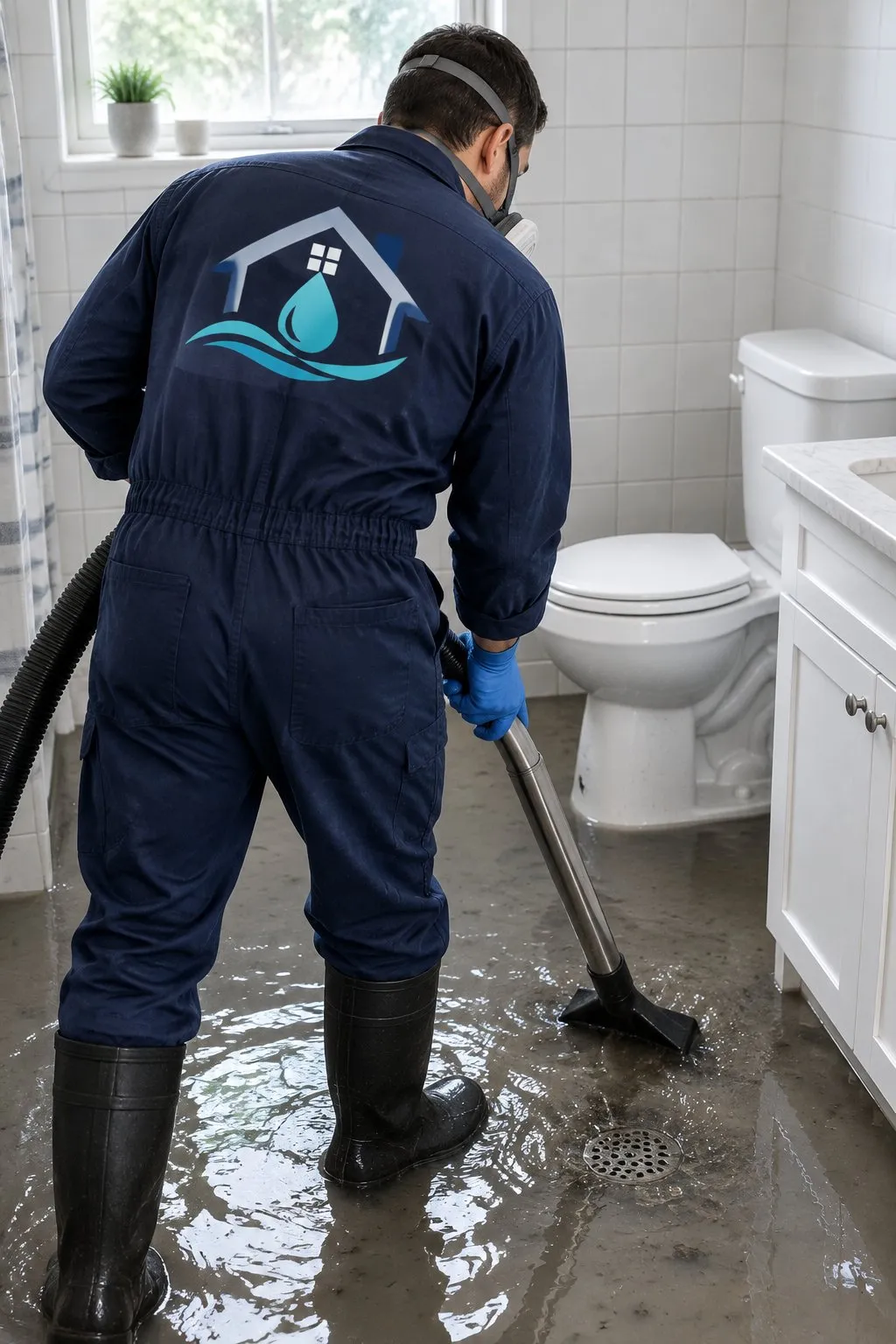
Restoration standards sort water into three categories. Category 1 is clean water from a supply line or faucet. Category 2, gray water, has some contamination, like a washing machine or dishwasher discharge. Category 3, black water, is grossly contaminated: sewage, toilet overflow with waste, and rainwater that ran over the roof or the ground.
The category decides what can be dried and kept and what has to be removed. Clean water left sitting for days in a warm house also degrades into a higher category, which is one more reason to start quickly.
Mitigation first, repairs second
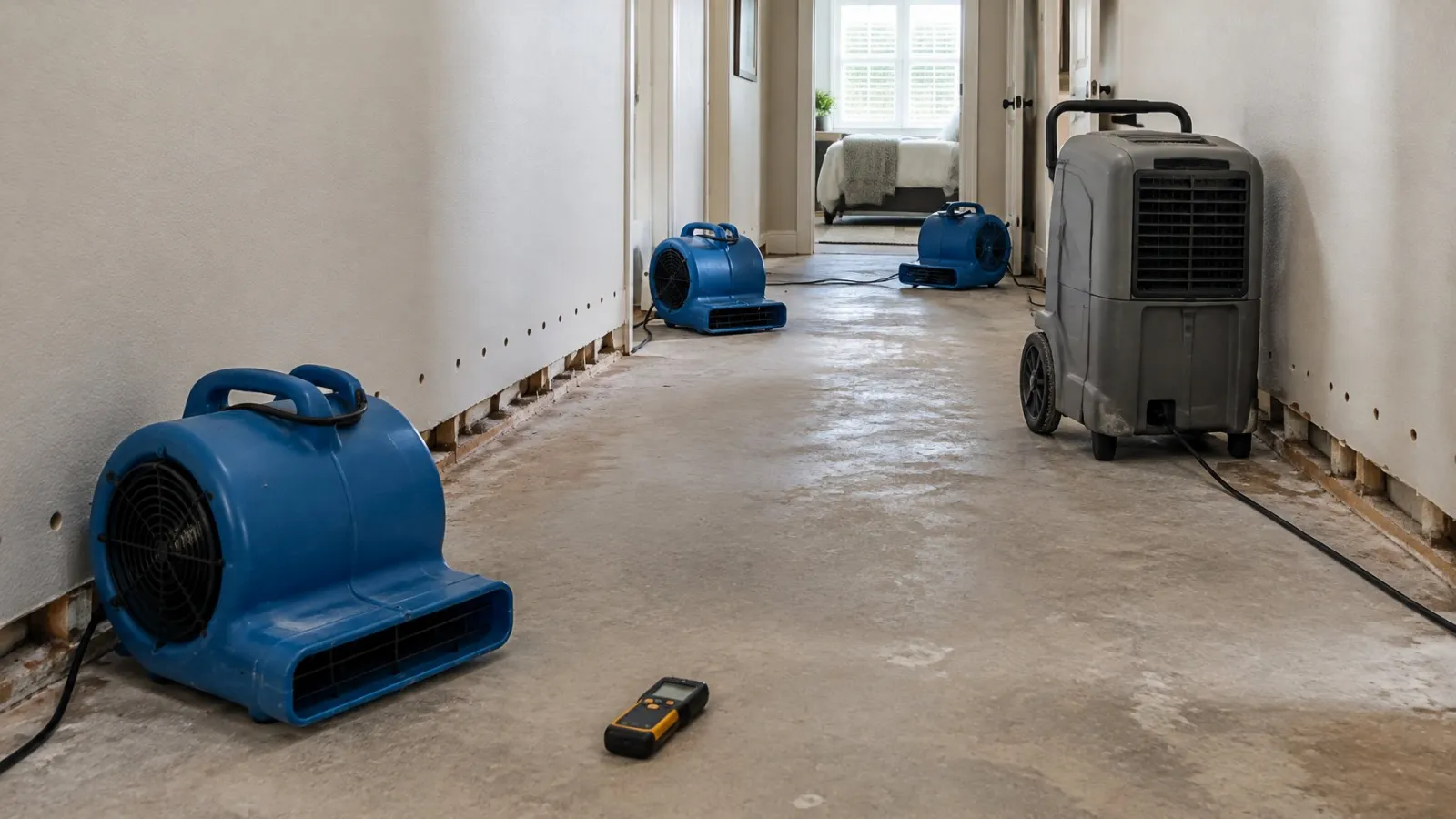
Mitigation means stopping further damage: water out, wet materials removed, structure dried. Repair or reconstruction means putting things back: drywall, paint, flooring, cabinets. They are often quoted separately and sometimes done by different companies.
Don't let anyone close up a wall or ceiling until the moisture readings say it is dry. Trapped moisture is how a clean water loss turns into a mold job, and in Texas that mold job needs a licensed remediator.
Choosing a contractor
Five checks before you sign
- Ask for proof of liability insurance and workers' compensation. Texas has no state licence for restoration contractors, so this is your main check, along with recent local references.
- If mold is involved, ask for the TDLR mold remediation licence number and check it at tdlr.texas.gov. For plumbing, ask for the TSBPE licence.
- Get a written scope and estimate, with mitigation and repairs separate.
- Ask how they'll document drying for your insurer.
- Read what you sign. You don't have to sign over insurance payments to anyone to get help, and be wary of anyone who turns up uninvited after a storm.
Questions
Common questions
Should I wait for the insurance adjuster before cleanup?
Usually not. Document everything, tell your insurer, and start mitigation to prevent more damage. Keep the photos and any removed materials or photos of them.
How long until mold grows?
Mold can start within 24 to 48 hours on wet materials in warm conditions, which in a Texas house for most of the year means quickly.
Where do I find help with a claim dispute?
The Texas Department of Insurance has consumer help and a complaint process.
Water damage right now?
Talk to a restoration contractor today
Call and you are connected to an independent restoration contractor who serves Frisco, Little Elm and Prosper. Or leave your number and they call you back.